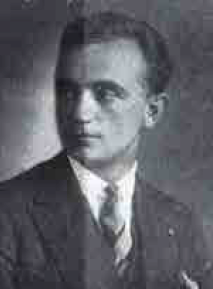
Architects
-
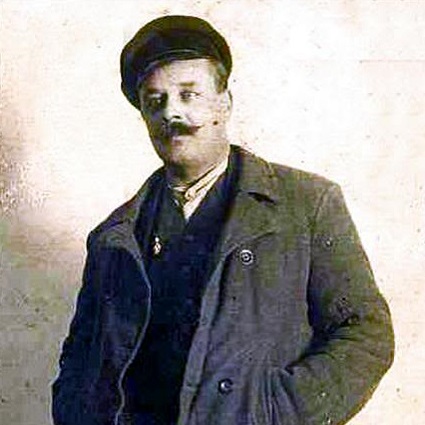 Vladimir Antonov(1882 - 1946)Vladimir Antonov (born 1882, Tambov – 1946, Kumanovo) was a Russian architect who spent most of his career working in Kumanovo , Macedonia at the beginning of the 20th century. He was a member of the White Guards and became a white émigré in the Kingdom of Yugoslavia. He was elected municipal engineer in 1925 for the implementation of the First Regulation Plan of Kumanovo of 1923. His more significant buildings are the Craftsmen's House in Kumanovo (1930), the Municipal Building in Kumanovo (1931), the residential building of the Ikonomovi family in Skopje (1922), the residential building of Armaganjan in Skopje (1930). He prepared the project for the roof of a sports hall (1930) whose author was the Belgrade architect Momir Korunović. He also dealt with the arrangement of parks.
 -
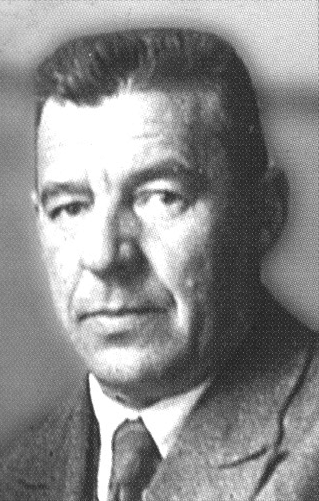 Ivan Artemushkin(1886 - 1950)He was born in Saint Petersburg, Russia, on January 3, 1886. His father, Georgy Artemushkin, was a lawyer, while his mother, Natalia, was a housewife. He continued his education at the Institute of Civil Engineers in Saint Petersburg, and after graduating, in May 1914, he began working as an engineering architect. In the meantime, he married Ksenia, and in 1916, their only daughter, Natalia, was born. After the October Revolution, a large part of the Russian bourgeoisie fled to different parts of the world, including the then Kingdom of Serbs, Croats, and Croats. Here they formed communities, Russian colonies, and the state granted them resident status and work permits. Thus, Artemushkin, together with his family, moved to Skopje in 1920, where he was approved to study civil engineering in Skopje on August 23 of that year. He soon got a job in the engineering department of the third army district, and then in 1922, the same name is found as an engineer in the Skopje municipality. In the early 1930s, he received a license to have his own technical bureau, which was located in the Aroesti passage no. 10. We know that he also collaborated with other famous Skopje figures, such as Boris Dutov, with whom he was also family friends. In the following period, he became one of the most famous architects in the city, as evidenced by the large number of designed and realized buildings, which according to the files of Artemushkin's technical bureau, numbered up to 694 projects. His oeuvre is mainly in Skopje, but we also find projects for palaces in Ohrid and Niš, which indicates that he built far and wide. Artemushkin, in 1935, as a smaller modern house, sufficient for him, his daughter and his daughter. It was located on Vuk Karadžić Street (today Beneševa Street), in the Bunjakovec neighborhood, opposite the Greek Embassy. This region of the city experienced many transformations in the following years, which today do not meet traces of the original building, nor evidence of whether they were built. Its opening is considered the beginning of World War II, and after it in the architectural department of the Ministry of Construction, in the first government of Macedonia. In 1948, probably for reasons, together with the families they leave for the city of Veliko Tr in Bulgaria and thus the largest activity in Skopje ends. Artemushkin died in 1950 in Plovdiv, the family later moved to Paris. Research book Natalia, later Maslova, also became an engineer and continued to live in France until the early 2000s. Through correspondence with Prof. Constanti, she tells of later visits to Skopje, the Ruben Palace and the Arab House.
- Ruben Palace
- Residential Building of Dr. Bojadjijan Hofsed
- Residential building of the Krstić family
- Residential Building on Miroslav Krlezha Street No. 27
- Residential Building of Shukret Zekjirije
- Residential Building Salkovikj - Stojkovikj
- Palace Armaganjan
- House of the Kapetanović Family
- House of Rafael Danon
- House of Nahmijas Vital
-
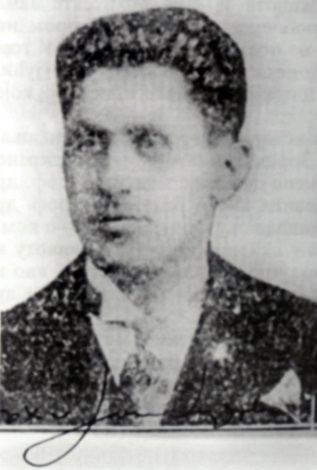 Jan Dubovy(1892 - 1969)Jan Dubovy (Lazce, Austria-Hungary, 9 February 1892 - Liberec, Czechoslovakia, 19 August 1969) was a Czech and Serbian architect. He studied architecture in Prague under the guidance of the prominent Czech architect Josef Fanta (creator of Prague's Main Railway Station). In 1922 he moved to Belgrade in the then Kingdom of Serbs, Croats and Slovenes, where he began working in the studio and office of another Czech architect, Matěj Blecha. However, he did not work there for long. After some time he was employed in the design office of the city of Belgrade, where he worked as an architect and designer. He introduced the idea of modernism for the then Serbian and Yugoslav architecture, but worked on the urban development of the Serbian metropolis, which was interested in gaining a representative form of the newly formed state. Together with several local architects, he founded the Group of Architects of the Modern Direction (GAMP). In 1934 he left Belgrade for Skopje and later for Bitola, where he designed several residential houses. During the Second World War he lived in the Balkans (he lived in Kruševac and Niš for some time), after the conflict he returned to Czechoslovakia, he taught in high school in Liberec. The works carried out by Jan Dubovy include, for example, the Belgrade Observatory, the Slovak Evangelical Church in the village of Ostojićevo and Arkady Miletić's villa. It is best known for the restoration of Cvetni trg, which is located between Terazije Avenue and Slavija Square. During his stay in Skopje, he designed several individual family houses. In Bitola, he designed an elementary school, a monument to the Russian consul Rostovsky, and a mountain lodge on Pelister.
 - Đorđi ĐurčinovićHe lived and worked in Skopje until 1932. In 1933 he moved to Ohrid where, as a certified civil engineer, he had his own office. He designed buildings in the field of housing. He was also engaged with the construction of buildings. His more significant projects are the individual family house of Paunkovski from 1931 in Ohrid, the individual family house of the Đurčinovi family from 1930 in Ohrid, the individual family house from 1932 of the Tomović family in Skopje.
- Boris DutovBoris Dutov was a Russian emigrant. He appears as a significant representative of the group of builders who worked in Skopje between the two world wars. He was a certified civil engineer and had his own office. He was mainly engaged in designing residential buildings, both individual family houses and multi-family residential buildings. He is considered one of the most prolific builders in Skopje between the two world wars. He also designed buildings of an economic and commercial nature. With his buildings, he left a striking mark on the city architecture of Skopje. From his rich creative opus, his more notable realizations in Skopje are the residential building from 1922 of the Ikonomovi brothers, the individual family house in 1924 of Mihailo Antović, the individual family house from 1925 of Trajan Anđelković, the individual family house from 1925 of Trajko Ančević, the individual family house from 1925 of Milosav Živić, the individual family house from 1925 of Mile Janković, the six-level warehouse from 1928 of H. Aroesti, the individual family house, 1931 of Bogoe Armaganjan, the individual family house, 1938 of Đorđe Simonović.
- Stefan Gajdov
- Slavko K. Gajdov
- Velimir GavrilovićHe lived in Belgrade. He worked in the Design Bureau of the General Directorate of Railways. He designed facilities for the state railway. His projects are 1938 Railway Station from 1938. in Skopje (destroyed in the earthquake in 1963), 1939 Hospital of the Hospital Fund for State Transport Personnel from 1939. in Skopje. He was an advisor in the "CSO of the General Directorate of State Railways" in Belgrade.
- Kosta Hadžiev(1902 - 1973)Immediately after the end of the First World War, he graduated from high school in Sofia in 1920. Here he lived in the family of his uncle Kiril Prlicev, son of our famous revivalist Grigor Prlicev. As a student, he supplemented his education with shorthand, which greatly helped him improve his financial situation. From Sofia, he went to study in Vienna. Here he graduated from the Faculty of Technology, hydrotechnical department, in 1926. He remained in Vienna until 1932, and then returned to his hometown of Ohrid. He immediately got a job in the construction company of the Simonchevi brothers. Later, he left the company and was appointed chief district engineer. His professional activity actually took place in the period before the Second World War. At first, he was engaged in the design of individual residential buildings, and then with smaller energy facilities, including the hydroelectric power plants "Ramne" and "Pesocani" from which the city of Ohrid received electricity for the first time. During that period, he also realized several significant infrastructure facilities in the city's surroundings. Starting from 1946, as a renowned expert, he was employed in "Electromakedonija", "Electrojug", the Ministry of Water Management of the People's Republic of Macedonia and "Electricity of Macedonia" where he completed his active service in 1967. His more significant projects in the field of hydrotechnics are for the hydropower systems "Mavrovo", "Globocica". "Špilje" and other smaller hydropower and hydromelioration systems ("Boškov Most", Struga field). In the field of architectural creation, his more significant achievements are the individual family house of Dimitri Boshnjakov, 1933 in Ohrid, the residential building of Gorgi Metulev-Belič, 1936 in Ohrid.
- Victor J. HudakHe worked in the Royal Banate Administration for the Vardar Banovina. He appears as an auditor of several architectural projects. He was an auditor of the project for the Reserve Calorific Power Plant for the Hydropower Plant "St. Andreja" in Skopje in 1933, whose author was Milan P. Pecinar. His project is the Banate Administration in Skopje from 1938 (today's Assembly of the Republic of Macedonia).
-
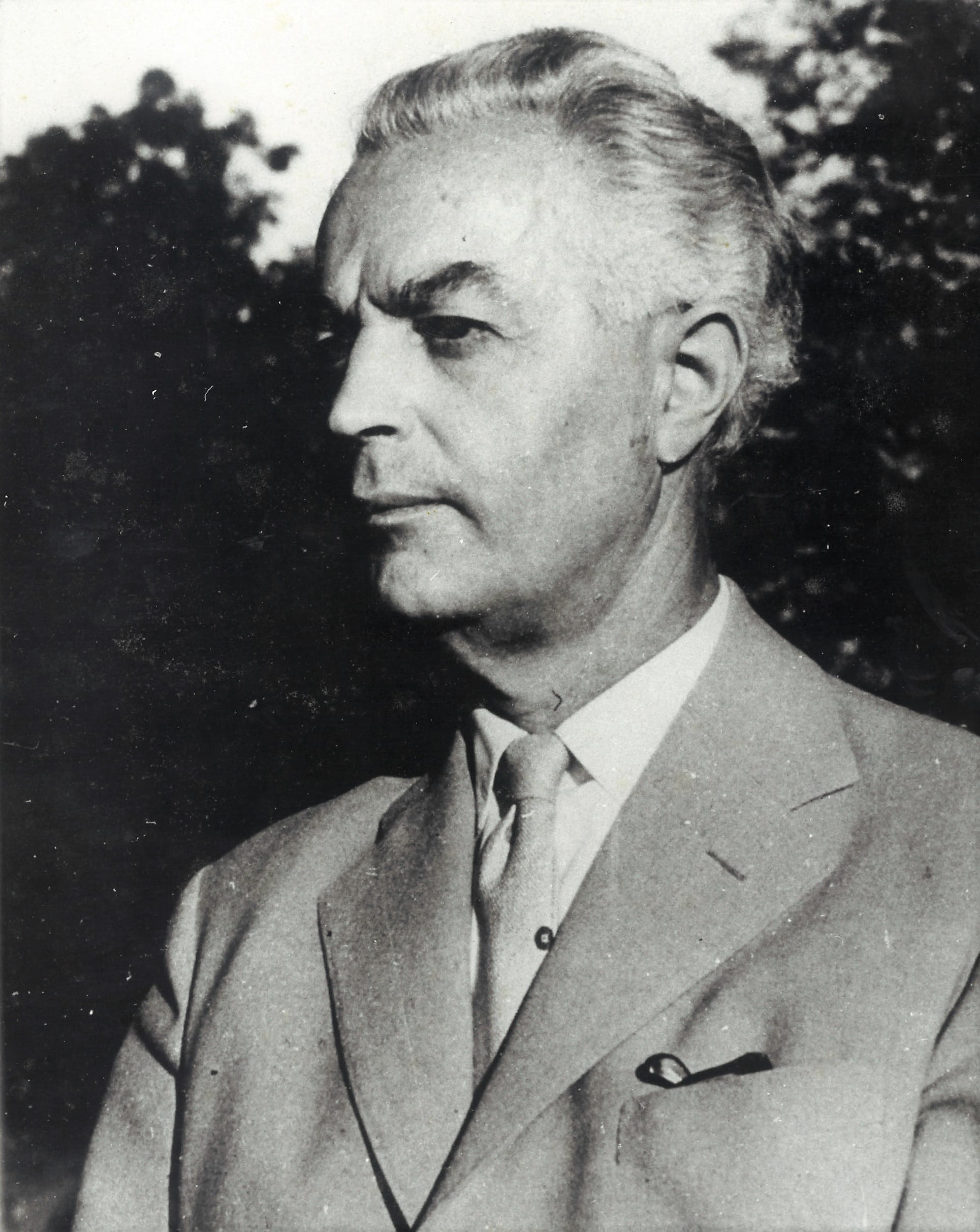 Drago Ibler(1894 - 1964)Drago Ibler (14 August 1894 – 12 September 1964) was a Croatian architect and pedagogue. His style can be described as pure simplicity and functional architecture. Ibler was born in Zagreb and he earned a diploma in architecture at the Technische Hochschule in Dresden, Germany. He became acquainted with Le Corbusier and L'Esprit Nouveau in Paris. He then studied from 1922 to 1924 at the Staatliche Kunstakademie in Berlin, in the studio of German architect Hans Poelzig which influenced his work during 1920s. Drago Ibler was a strong supporter of the social ideals of modern architecture as well as the aesthetics, and founded the Earth Group (Croatian: Grupa Zemlja), with a group of left-oriented progressive artists. He was also a member of CIAM. His work was responsible for introducing ribbon windows and other elements of Le Corbusier's architecture to Yugoslavia. In 1926, Drago Ibler became a professor of architecture at the Zagreb Academy of Fine Arts. During his time there, Ibler designed villas on the island of Korčula and in Zagreb, several industrial buildings, and the District Labour Insurance Building in Skopje (1932). He left the Zagreb Academy in 1941 moved to the University of Geneva, Switzerland. He moved back to Zagreb in 1950 and resumed his former post at the Zagreb Academy. He designed many more buildings in Zagreb, including several residential blocks and a residence for Tito. He also drafted designs for a potential opera house and embassy, though these were never constructed. Ibler died, aged 70, in an automobile accident near Novo Mesto, Slovenia.
 - Dragutin IlićDragutin Ilić lived and worked in Skopje. He was an authorized engineer-entrepreneur and had a technical company on ul. "Leninova", no. 80 in Skopje. He was dealing with the design of individual residential houses. His projects in Skopje are the individual family home, 1932 of Radmila Vancetović, the individual family house, 1933 of Angja Kasteloni, the individual family home, 1933 of Dobrila Stojanović, the individual family house, 1936 of Ruža Vidović, Medical Chamber, 1936, the individual family house, 1937 of Branislava Mijatović, the residential building, 1937 of Dragoljub Avramović.
-
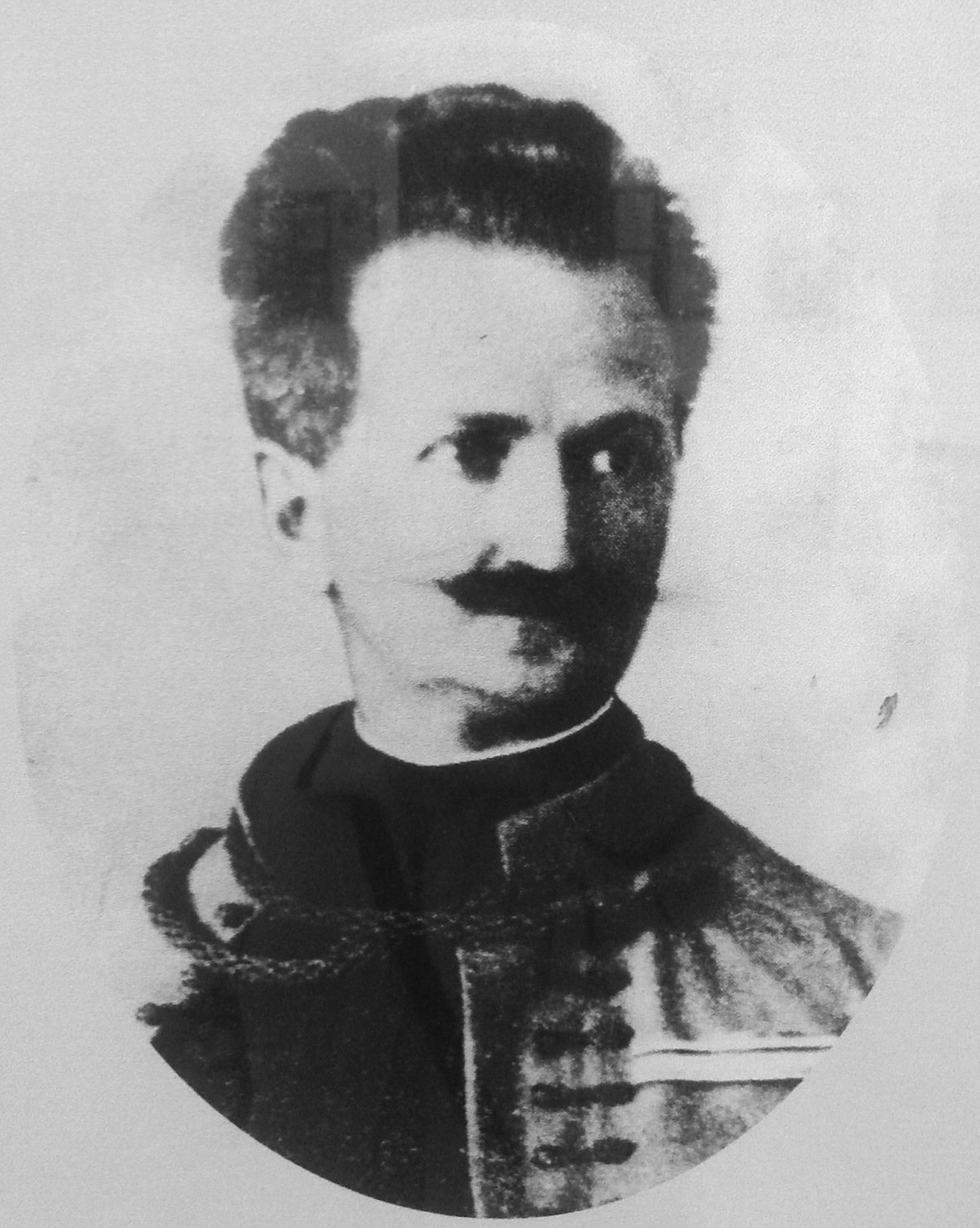 Momir Korunović(1883 - 1969)Momir Korunović, was a Serbian architect associated with Serbo-Byzantine Revival. He was sometimes called the Serbian Gaudi. Although he designed many buildings in Belgrade and Yugoslavia between the two world wars, he is largely forgotten today. Many of his works were destroyed or substantially altered during World War II and the period of communist dictatorship. Momir Korunović was born on April 17, 1883 in Jagodina, Serbia. He was raised in the village of Glogovac, where his father Prota Petar Korunović served as a priest. Korunović finished his higher education in Belgrade and went on to finish postgraduate studies at Czech Technical University in Prague, funded by a scholarship from the Ministry of Education of Serbia. During his studies, he formed a distinctive personal style that he would continue to develop throughout his career. Korunović build the Belgrade city center for physical culture "Stari DIF", located on Deligradska street in Savski Venac municipality. The project was built for the needs of the Sokol Society "Matica" between 1929 and 1936. He also designed a stadium ("Sokol stadium") for the 1930 Sokol manifestation in Belgrade. The stadium was located on the site of today's Faculty of Mechanical Engineering. The stadium accommodated around 40,000 spectators. It had arched entrances, four for the audience and three for athletes. On the north side, there was a music pavilion in the form of an arched tribune, with towers in the background, decorated with the symbols of the All-Slavic Sokol movement. On the south side was the royal lodge. For this project, he was awarded the Order of Saint Sava. The Seismological Institute Building and the Post-Telegraph-Telephone Museum are also the work of Momir Korunović as well as many churches, monuments (for example, Zebrnjak and Memorial Ossuary, Mačkov kamen) and other prominent buildings, with total of 143 authored projects. In 1922 Korunović was entrusted with the task of renovating the marshal's office of the Yugoslavian Royal Palace so it would be suitable for guests coming to Belgrade for the royal wedding of King Alexander I Karađorđević and Princess Maria of Romania. The semicircular wings were kept for accommodations while the rest of the building was assigned to the Marshal of the Court. The building was demolished in 1953, as it blocked the view of the Parliament. The old Post Office has also been altered beyond recognition. The new, communist authorities, considered its façade "too bourgeois" so they removed the remains of the façade and reconstructed only the skeletal architecture under it, which suited the more simplified style which was pushed by the government in the immediate post-war period. In addition to working in the civil service as a government official in the Ministry of Construction, Korunović was also a prominent member of the Pan-Slavic organization Sokol. He was the head of the Belgrade Sokol Society "Matica" and was responsible for construction of about thirty Sokol movement buildings in Serbia. In 1926, he was the youngest member of the commission for the construction of the Church of Saint Sava. He participated in the "Salon of Architecture" exhibition in 1929. Among the many excellent architects of that era, mostly architects of modernism, he was a representative of traditional architecture and romanticism. During the occupation of the Kingdom of Yugoslavia, he continued to work in the ministry. He retired in 1942. After the war, he spent his retirement days in his house in Vračar, where he mostly wrote his memories and illustrated earlier publications. He died on April 17, 1969 in Belgrade. He was buried in the village of Bogava.
 - Ferdo KrausFerdo Kraus lived and worked in Skopje. He appears as an authorized builder of a large number of individual residential houses, but he was also engaged with the design and construction of buildings of a different architectural character. His projects in Skopje are the double house, 1924 of Risto Zhelezarov and Gligor Jovanov, the commercial and industrial bank, the individual family house, 1933 of Luka Đorđević, the individual family house, 1933 by Spasenija Kuznecova, the individual family house, 1935 by Toma Ničota, the individual family house, 1940 by Petar Milosavljević.
- Petar i Branko KrstićThe Krstić brothers ( Petar , Belgrade , December 24 , 1899 — Belgrade, 1991 ; Branko , Belgrade, December 15, 1902 — Belgrade, 1978 ) were Serbian architects and university professors. They created in several styles, and their projects realized in the Serbian-Byzantine style are especially significant. Petar Krstić graduated from the Technical Faculty in Belgrade in 1924. He was a regular professor in the subject of architectural construction. His younger brother Branko graduated in 1927, from 1949 to 1959 at the same faculty, he was assistant professor of architectural drawing. Both have written textbooks for their subjects. The Krstić brothers were also professors at the Faculty of Architecture of the University of Belgrade. Petar and Branko Krstić began their careers with an award-winning project for the Yugoslavian Pavilion at the Philadelphia exhibition in 1925 and then with the award-winning solution for the Svetosava Temple in 1927. They belonged to a group of architects of the modern direction and their joint work includes dozens of designed and constructed buildings, among which are the palace of the Agrarian bank, the church of St. Mark and Abbot's Palace.
-
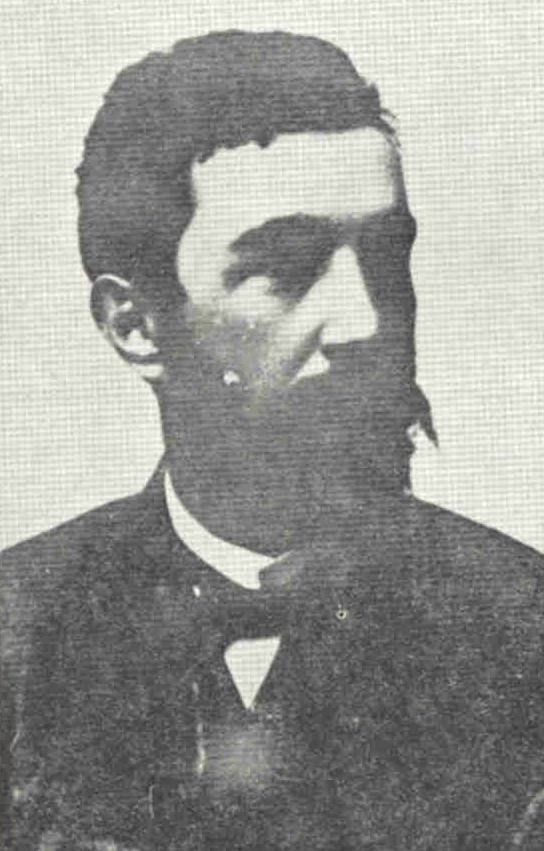 Dimitrije M. Leko(1887 - 1964)Dimitrije M. Leko ( Belgrade , 20 May 1887 – Belgrade , 23 October 1964 ) was a Serbian architect , professor and dean of the Faculty of Architecture, University of Belgrade. He was born to father Marko , a chemistry professor and rector of the Velika škola , and Danica née Antula . He completed elementary school and then the Third Belgrade Gymnasium in Belgrade in 1905. After that, he studied architecture in Belgrade and Karlsruhe, where he graduated in 1912. He participated in the Second Balkan War and the First World War . In 1913, he was employed by the Ministry of Construction, where he worked until 1933 as a designer of public buildings. In 1933, he was elected to the rank of associate professor at the Department of Architecture of the then Faculty of Technology of the University of Belgrade, in the subject of Public Buildings. He spent the Second World War in German captivity. He was promoted to the rank of full professor in 1946. He was Dean of the Faculty of Architecture from 1954 to 1956. He retired in 1957. His most significant architectural work is the building housing the Ministry of Social Policy and Public Health in Belgrade , built in 1932–1933 . His work is the House of the Association of Procurement Cooperatives of State Civil Servants in Belgrade ( 1928–1929 ). He also published theoretical works in the field of architecture .
 - Mikhail MatveyevMikhail Matveyev was a Russian emigrant. He lived and worked in Skopje. He was a certified civil engineer. He had his own office and was engaged in designing residential houses and reconstructions of larger-scale buildings. He carried out the reconstruction of the alkaloid factory in Skopje, which was owned by Sofronie and Filip Ognenović. He was married to a Macedonian woman and had a son and a daughter. His projects in Skopje are the individual family house of Slavko Stefanović, 1936, the individual family house of Petar Božić, 1936, the residential building of Bemko Kolomonos, 1937, the individual family house of Simeon Martinovski, 1937, the individual family house of Stojan Acević, 1937, the residential building of Jovan Velić, 1937, the individual family house of Risto Jordanov Lazov, 1939. He died in a traffic accident on the bridge near Saraj in Gjorce Petrov in 1946.
-
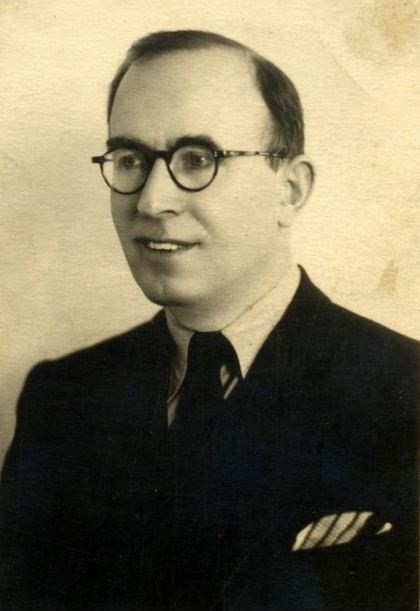 Josif Mihajlović(1888 - 1941)Josif Mihailović ( Tresonce , April 15 , 1887 - Skopje , March 11 , 1941 ) was an architect , intellectual, diplomat, national worker, mayor of Skopje from 1929 to 1936 and from 1939 to his death in 1941. He is most responsible for the transformation of Skopje from an oriental, Turkish city into a modern, European city. He comes from a family that was traditionally involved in construction. His father built the building of the Boys' Gymnasium in Skopje. He lived in a turbulent time of wars. He participated in the Balkan War against the Turks (1912), and then in the First World War (1918). He graduated from the Department of Architecture at the Technical High School in Belgrade in 1910. He studied urban planning in England. In the United States, he studied and worked as an architect in his profession for 10 years. After returning from the United States, he appeared as a co-founder of the Belgrade company "Phoenix" and was involved in the construction of the Užice-Sarajevo and Veles-Prilep railways. In 1929, he was appointed president of the Skopje Municipality, where he remained in office until 1936. After a short break, he again took up the same position, which he held until the end of his life. During his almost ten-year term, he directed all his activities towards the construction of Skopje and its communal development. At the beginning of his career in 1929, he prepared the General Regulation Plan of Skopje according to the conceptual design of the Belgrade architect Dimitrie T. Leko from 1914 and carried out a geodetic survey of the city. After the adoption of the Plan in 1930, he dedicated himself to the realization of his ideas. For the then needs of Skopje for electricity, he built the thermal power plant under Kale. Aware that the city could develop economically in the future only if it had sufficient electrical sources, he began the construction of the Matka hydroelectric power plant. For this purpose, he previously built the dam on the Treska River. During that period, the construction of the Rašče water pipeline also began, which was an exceptional construction and communal undertaking. During his term, four primary schools were built, including "Tsar Dušan" ("Goce Delčev") and "Njegoš" (destroyed by the earthquake). Subsequently, a large number of capital buildings were built, such as the National Assembly, the Municipal Building, the City Hospital, the Hygiene Institute, the Workers' Social Insurance Institute, the Railway Station, the National Bank, the Chamber of Commerce and Industry (today's "Metropol"), the Medical Chamber, the Vakuv Directorate, the "King Alexander" Children's Home, the "King Petar" Student Home, the Home of the Sisters of Charity, the Home of the Friends of France, the two sports halls, the Home of the Agrarian Community, the Home of the Union of Engineers and Architects, the "Vardar" Canning Factory, as well as the two concrete bridges on the Vardar River. In order to protect Skopje from floods from the waters of the Vardar, he built the embankment in the city park and at the same time regulated the Serava River, which flooded the neighborhoods of Chair and Topaana. He also dealt with architectural design. His projects include the Red Cross building in Skopje, 1930-1939, his own individual family house under Kale, 1938, the Public Labor Exchange in Skopje, 1938, the textile factory on the road to Kumanovo, in the industrial zone of Skopje, 1939.
 -
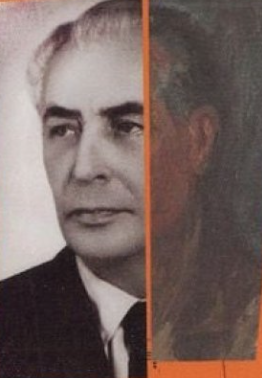 Milan S. Minić
 - Kirilo Hadži Naković
- Božidar Nešović
-
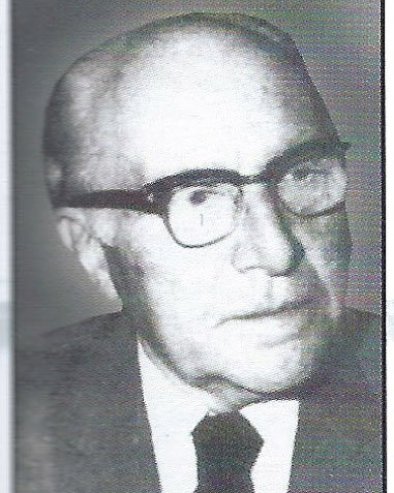 Bogdan Nestorović(1901 - 1975)Bogdan Nestorović ( Belgrade, April 28, 1901 — Belgrade, December 28, 1975 ) was a Serbian architect, author and university teacher. He was especially involved in the preparation of the plan of the temple of St. Sava, combined with the contribution of Alexander Derok, for which he was the chief responsible architect from 1935 to 1941. As a designer, he designed several famous Belgrade buildings. Bogdan's father was the famous architect Nikola Nestorović. Bogdan Nestorović studied architecture in Belgrade in 1923. Then he studied in Paris, where he also worked in large architectural offices. After returning to the Kingdom of Serbs, Croats and Slovenes, he worked between 1926 and 1930 in the architectural firm "Architekt". In 1930, he was chosen as an assistant at the Faculty of Architecture at the University of Belgrade. It remained his full-time job until his retirement. At the university, he taught residential building design as well as style and architectural history. In 1971, he received the Seventh of July Award for his life's work. Before World War II, Nestorović won two architectural competitions, 1931-33. House of Crafts (later Radio Belgrade) and in 1938 the building of PRIZAD (later TANJUG). In the second tender for the construction of the temple of St. Sava in 1926-27 he received the second prize. The commission determined that the final project should be realized by merging his draft and that of Alexander Derok. Further development took place until 1934. From 1934 to 1941, Nestorović was responsible for the construction of the church as the main architect, which was interrupted by the Second World War, after which the construction was banned by the Communist Party of Yugoslavia, which lasted until 1984. Following the general guidelines, Nestorović and Derok were succeeded by Branko Pešić. Nestorović is the author of numerous studies on the history of architecture. It covers studies from antiquity to the 19th century. The classic is "Architecture of Serbia in the XIX century" (Architecture in Serbia in the 19th century). The book shows the entire stylistic development of architecture in Serbia with its stylistic transition from the Eastern-Islamic heritage to the model of Western architecture. Nesotorović is the Nestor of architectural history through his collection of old photographs of buildings in Serbia. His collection is kept today in the Serbian Academy. The 12 banks built by Nestorović are significant for the development of Serbian architecture. In Belgrade, he was the designer of a large number of residential buildings until the Second World War. For example, Vitomir Konstantinović's house in ul. Kralja Milana 3 (1926-27). He also appears as the author of the National Bank in Bitola, the National Bank in Skopje, which was destroyed by the earthquake in 1963, and a residential building in Skopje.
 - Milan M. NikolićMilan M. Nikolić lived and worked in Kruševac, Serbia. He was a certified civil engineer and had his own office. In addition to designing housing projects, he was also involved in construction. In 1939, he built his own house at 77 Knez Miloš Street in Skopje and, as an engineer-entrepreneur, opened an office at 30 Dositeeva Street in Skopje. His projects in Skopje are the individual family house of Anđa Kastelanić, 1928, the residential building of Rista Janikijević, 1931, the individual family house (G+1) of Lefterija Popović, 1932, the individual family house of Janko Škaperda, 1933, the residential building of Once Andonović, 1934, the individual family house of Dušan Jovanović, 1936.
- Isailo Jov. Nikolič
- Kosta Novaković
-
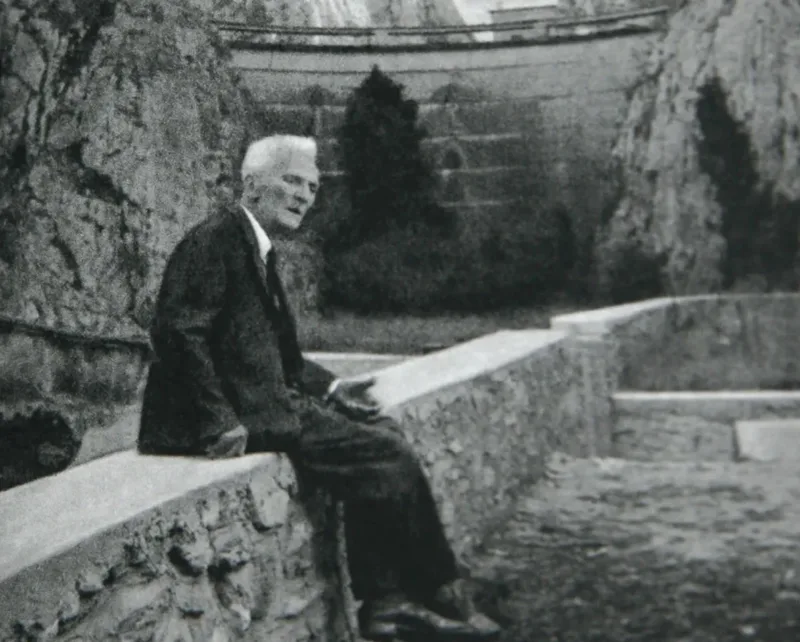 Miladin PecinarThe construction of the dam on the Treska River from 1935-1938 was extensive and was a collective undertaking, a capital project of its time, but the most deserving of its construction is architect Miladin Pecinar, the conceptual author of the project, designer and the man who supervised the construction. When the dam was finished, Pecinar stood at its top and shouted: "If the dam goes, let the one who conceived it go with it."
 - Metodija Petkov(1910 - 1984)Metodija Petkov (Bitola, February 13, 1910 - Skopje, June 4, 1984). He graduated from the Civil Engineering Department at the Technical Faculty in Belgrade in 1934. From 1935 to 1941 he was a municipal engineer in Bitola, where he worked on the design and construction of low-rise and high-rise buildings. From the end of 1944 he was employed in the newly formed Ministry of Construction in Skopje, where he headed the land reconstruction sector. In 1946 he organized the Construction Company "Skograp" when he built the five four-story residential buildings next to the "Josip Broz Tito" high school and the schools for minorities in Skopje. In the same year he also started the construction of the Ministry of Internal Affairs in Skopje. In 1947, as a construction site manager at the Construction Company "Fegrap" from Skopje, he built the facilities of the Tito Metal Works in Skopje. After the dissolution of "Fegrap", he founded the construction company for the construction of hydroelectric power plants and transmission lines "Svetlost", from where he organized the construction of the hydroelectric power plants "Zrnovka", "Daeshnica", "Pesocani", "Sapunchica" and Kalimanci. From 1952, when the Construction Company "Beton" was formed, he worked there until 1960. From 1960, he worked at the Institute for Testing Materials as a senior scientific associate until the end of his working experience in 1975.
- Milorad Petrović
- Nikolaj PodgajinNikolai Podgain was a Russian emigrant who moved to Yugoslavia after the October Revolution. He was assigned to work in Bitola. He designed several individual family houses and villas. His project is the villa "Maedrag" of Ilija Srbinov near the "Crn Most" neighborhood in Bitola, designed in 1937.
- Branislav ProtićBranislav Protić lived and worked in Skopje. He was a certified engineer and had his own office. He mainly designed individual houses for living, but also non-residential buildings. His buildings in Skopje are the individual family house of Vladimir Isakov, 1928, the individual family house of Dimitar Sapundžić, 1931, the individual family house of Stavre Jovanović, 1931, the individual family house of Koce Ignjatić, 1932, the individual family house of Đorđe and Mateja Aksenovi, 1933, the individual family house of Vuko Sekulić, 1935, the individual family house of Stojan Petrović, 1936, the residential building on Blvd. "St. Kliment Ohridski", 1936, the residential building of Dimitar Kuzmanović, 1936. He was also involved in entrepreneurship. He built the flood protection embankment along the Vardar River to Leninova Street in Skopje.
- Đorđe Ristić(1909 - 1967)Đorđe Ristić (Požarevac, Serbia, 1909 - Belgrade, 1967). He studied in Belgrade (1927-1930) and in Paris (1931-1932). He worked in the Technical Directorate of the Skopje Municipality in the period between the two world wars. He was a certified architectural engineer and appeared as a general profile designer. He designed buildings of various nature. In 1936 he carried out the reconstruction of Daut Pashin Hamam in Skopje for the needs of the Gallery. His more significant realizations in Skopje are the individual family house of Josip Ajnshpiler, 1934, the Konak-restaurant on Lake Treska, 1937, the Primary School in the settlement "Crniche", 1937, the Primary School "Kocho Racin", 1938, the building of "Brza pomosh", 1938, the individual family house of Dragoljub Milojković, 1939, the residential building of Katerina Papateodosi, 1939, the individual family house of Kosta Antović, 1939, the individual family house of Sulejman Ali, 1939, the individual family house of Dimitrie Ilić, 1939, the individual family house of Milica Jovanović, 1939, the individual family house of Stojan Kupenković, 1939, the individual family house of Isnija Chorović, 1940, the individual family house of Risto Milenković, 1940.
- Borče M. Ristić
- Vangel Samardžić(1892 - 1986)Vangel Samardžić (Voden, December 1, 1892 - Skopje, 1986). He graduated from the Civil Engineering Department at the Technical Faculty in Belgrade in 1921. From 1921 to 1926 he was employed in the Civil Engineering Section at the Ministry of Construction in Bitola. From 1927 to 1941, as the owner of the construction company "Granit" in Bitola, he was engaged in design and construction. During that period, he designed several individual family houses, including the individual family house of the lawyer Atanasie Sotirović from 1937. He was the president of the city of Bitola from 1934 to 1935. During that period, several significant projects were implemented, such as the City Park, the arrangement of the approaches to the railway station, the arrangement of the German military cemeteries from the First World War with the access road to them (for which he was awarded the "Iron Cross" medal by the German government). After the liberation of the country, he worked on the reconstruction of railways and bridges (1945-1946). In 1946, he was employed at "Fegrap" where he managed the construction of the "Sapuncica" hydroelectric power plant. From 1948 to 1955, he was employed at "Beton" in Skopje. During this period, he managed the construction of the "Shar" cement factory (1948-1952), the "Usje" cement factory (1952-1955). From 1955 to 1957, he worked at the "Nov Dom" housing cooperative. From 1957 until his retirement, he was employed in the supervision service at the Institute for Housing Construction of the City of Skopje (now "Makedonijaproekt").
- Dimitar Simonče
- Milovan J. SmiljanićMilovan J. Smiljanić lived and worked in Belgrade. He was a certified civil engineer and had his own office. He designed buildings in the field of housing. His project is the residential building of Dr. Luka Smiljanić in Skopje, 1932.
- Nikolaj SoloncevThe author Nikolay Solontsev was a Russian immigrant who came to Veles during the Russian Civil War in the early 1920s. According to research, he built seven houses in Veles. These are the house of the Shukarevs and the two of the Gjorgovi, also a famous Veles merchant family. They are located 50 meters apart, all in the city center. The three houses are yellow in color with decorative elements from the Levkovi factory.
-
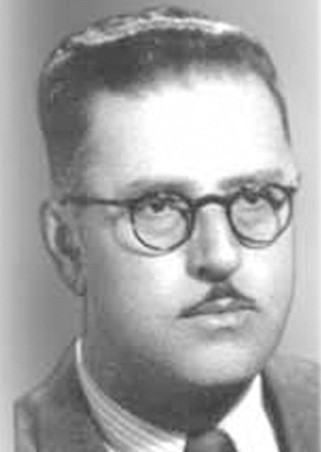 Grigorije Tašković(1901 - 1962)Grigorije Tašković or Gligorje Tašković (Bitola, July 3, 1901 – New York, August 21, 1962) – architect from Bitola. Tašković was born in 1901 in Bitola. Although he was not the best student in regular schooling (he failed mathematics and history in one of the classes), he graduated in 1919 with very good results. He graduated from the Technical Department of the Great School in Belgrade in 1925, after which he returned to Bitola and immediately got a job. On October 18, 1928, he signed a three-year contract as a city architect in the Bitola Municipality with a salary of 30,000 dinars per year, and after its expiration, in 1931 he requested and received termination of his employment. For a while, he also served as its head in the municipal Technical Department. His first work is considered to be the Agricultural School in Bitola, built in 1927. The following year he went to the United States for advanced training in highway construction and high-rise construction. He had a turbulent personal life, married and divorced several times and had several children. He was also involved in politics, becoming a senator in the period 1938-1941, as well as a regional president of the Agricultural Party. After his liberation, he was imprisoned, managed to escape and continued his life and work in New York, USA. From 1935 to 1946 he was the owner of a construction company based in Skopje. During that period he built many buildings, such as roads, bridges, airports, department stores and factories. The company worked for Yugoslavia, Bulgaria, Turkey, which employed 3000-5000 workers for various projects. He carried out the drainage of the Pelagonia Swamp around the Crna Reka on an area of 30,000 ha. Taskovic realized the following objects: 1933 International highway: Veles-Gradsko, Prilep-Gradsko, Bitola-Kicevo, 1935 Bridges on: Crn Drim in Struga, Crna Reka to Bitola, Stone bridge on the Crn Drim river in Debar, concrete bridge in Veles over the highway. 1937 Agricultural school in Bitola, 1938 Hydrobiological Institute of Lake Ohrid, 1939 Banska Palata (today's Assembly of the Republic of Macedonia), 1939 Railway station in Skopje. His author's projects are a single family house of Boro Nikolić, 1936, in Skopje, a residential building of Gligorje Tasković, 1939 in Skopje.
 - Gligorje Tomić(1888 - 1971)Gligorje Tomić (Krushevo, 1886 - Belgrade, 1971). He graduated from the Department of Architecture at the Technical High School in Belgrade in 1914. After graduating, he passed the state exam and obtained the right to be an authorized designer. This enabled him to open his own design company in Skopje, "Polet", which was actively operating until 1941. His design activity developed in several directions. In addition to numerous projects for individual family houses, he also designed commercial and public buildings, as well as barracks and other types of buildings for both Skopje and other parts of Macedonia. He is known as the founder and owner of the ceramic industry "KIS", which operated successfully from its inception until 1939. After the liberation of the country, he continued to work as an architect at the Railway Transport Company "ZTP" in Skopje, from where he moved to work in the Ministry of Construction as deputy head. His activity is also notable in the field of inventions, where he successfully registered several original patents. In 1953, he received a diploma in this field for his original invention "Air-powered electrical switch". Among his rich creative opus in the field of residential architecture, his projects in Skopje include the individual family house of Džodža Tripčančević, 1926, the individual family house of Dimitrie Nastić, 1926, the individual family house of Tase Antić, 1926, the individual family house of Milorad Dimitriević, 1926, the individual family house of Mojsie Gorđević, 1926, the individual family house of Elena Anastasiević, 1927, the "Ibni Pajko" House, 1937-1938.
- Rudolf VoshtaHe was Czech by nationality. He lived on ul. "Venec na tsar Dušan" (bul. "Sv. Kliment Ohridski") in Skopje. He was a certified engineer and had his own office. He was engaged in design work. He designed a large number of individual family houses and multi-family residential buildings. His more significant realizations in Skopje are the house of Rista T. Janikijević - Pota (1922), the house of Aleksandar Tomovski (1923), the house of Dorotej Stojanović (1924), the house of Milan Andonović (1925), the house of Miloš Blagojević (1925), the house of Dobrivoje Dicić (1925), the individual family house (1927), the house of Velko Trajković (1930), the residential building of Petkovska, Simić and Hristov (1931).
-
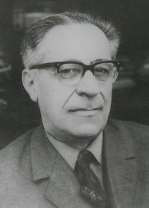 Kiril Zernovski(1897 - 1972)Kiril Zernovski (born October 21, 1897 in Debar - died on December 28, 1972 in Skopje) - Macedonian Civil Engineer and Full Professor at the Faculty of Civil Engineering in Skopje from 1961 to his retirement in 1967 after Funding, Geomechanics and Construction Organization. He graduated from the Technical Faculty in Zagreb in 1927. After graduating he worked as a civil servant until 1931, when he passed the exam for an authorized engineer, and from that year until 1941 he worked as an authorized designer in Skopje. In the period from 1941 to 1944 he worked as an expert in the municipal service (1941/42) and as a private authorized designer. In 1944 he was appointed director of the NRM Railway, and then all year (1946/47) was the director of the first project "Probiro" in Skopje. From 1947 to 1949 he was appointed as an assistant minister in the Ministry of Construction. In 1949 he was elected a member of the parent committee for the establishment of the Technical Faculty in Skopje. In 1949 he was elected Associate Professor of Funding at the Technical Faculty, where he was fulfilled his work experience, when he retired in 1966 as a full -time professor. From 1931 to 1941 he designed buildings of the building. During this period he developed many projects for individual family houses, apartment buildings and factory facilities. Since 1949, when he was elected teacher at the Faculty of Technology, by the end of his working life he devoted himself to the preparation of studies and projects for facilities in the field of waters and defense. He also worked on the fundament and soil mechanics for a large number of objects. He was dean of the Technical Faculty in Skopje in the period 1950-1952. He was repeatedly rewarded for his fruitful activity in the field of construction. He was decorated with the Order of Labor from і ред ok. From his work in the architectural field, more significant buildings in Skopje are 1927 the individual family house, 1927 by Ilija Jovanović, the individual family house, 1931 by Gigo Aleksić, the residential building, 1932 of Jacob Talvi, the factory "Alkaloid", 1935, 193 The individual family house, 1938 by Bosko Bunjak, the individual family house, 1940 by Jovan Đorđević, the residential building, 1940 at the corner of ul. "Leninova" and "Dimiti Tucović".
 -
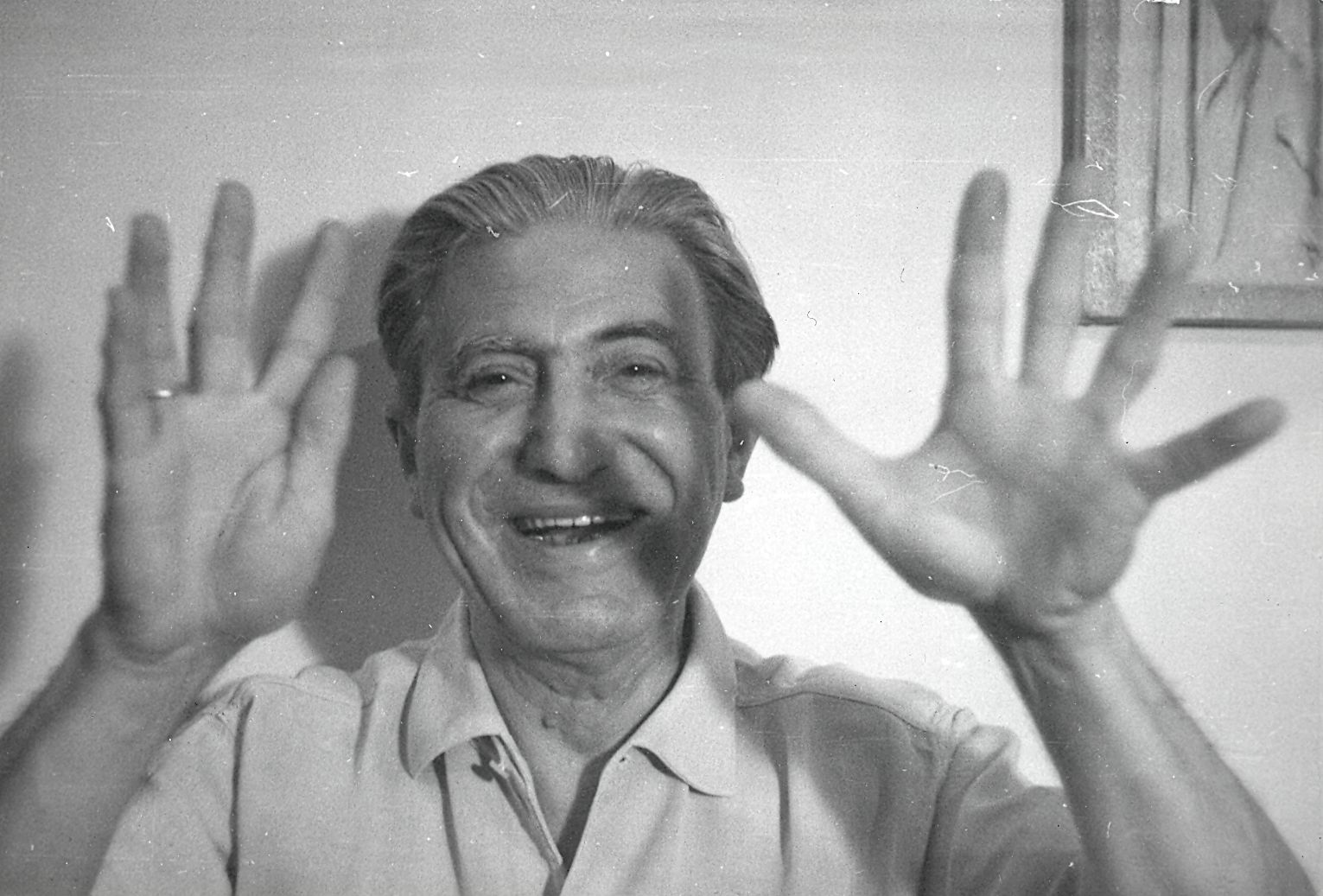 Milan Zloković(1898 - 1963)Milan Zloković was born in 1898 in Trieste (Italy), in a Serbian naval family from Boka Kotorska; father Đuro was a naval captain and ship commander in the Lloyd merchant fleet. After graduating from German Primary School and Realschule (a secondary school where science and modern languages are emphasized in the curriculum) in Trieste, Milan Zloković began engineering studies at the Higher Technical School in Graz (Austria) in 1915. In May of the following year, he discontinued his studies following the World War I after being mobilized into the Austro-Hungarian army. After demobilization, he refused to accept Italian citizenship, so in 1919 he moved to the Kingdom of Serbs, Croats and Slovenes, and continued his studies in Belgrade. He graduated from the Department of Architecture at the Faculty of Engineering, University of Belgrade in 1921. After graduation in 1922-23, he went to Paris as a holder of a scholarship from the French Government and, later, as a scholarship holder of the Ministry of Education (Education) of the Kingdom of Serbs, Croats and Slovenes. There he studied at the École Nationale Supérieure des Beaux-Arts and regularly took drawing courses at the Académie de la Grande Chaumière. In 1923, Zloković returned to Belgrade where he began working as an assistant in the Department of Architecture at the Faculty of Engineering (later Faculty of Architecture, University of Belgrade). His academic career continued until his death, and in 1952-54, he was Dean of the Faculty of Architecture. In addition to his academic career, he actively practiced in his own architectural studio until 1941, participating in architectural competitions in which he won about 20 awards and 16 redemptions. In his private practice, Zloković has realized about 40 buildings – from private houses and villas to large public buildings. Together with the architects Branislav Kojić, Dušan Babić and Jan Dubovi, in 1928 he founded the Group of Architects of the Modern Direction in Belgrade, which significantly contributed to the establishment of the discourse of modern architecture in Serbia. In the post-war period, his private practice ceased to operate due to new socio-political circumstances, although he continued to participate in architectural competitions in the period 1960-65. year, with his son Đorđe and daughter Milica, also architects, realizes two extremely important projects with the use of modular coordination. During this period, he focused on theoretical papers in the field of proportions and modular coordination in architecture, and published several scientific papers on this topic. He won the Seventh of July Award of the Republic of Serbia for his life’s work in 1963. Milan Zloković died in 1965, in Belgrade.